Looking ahead to 2026, diving into Anbu Food is going to be an experience that’s all about blending innovation with a deep appreciation for tradition. Industry expert Dr. Sarah Chen puts it nicely when she says, “The future of food is really about honoring old-school flavors while trying out some exciting new ones.” That really captures how vibrant and ever-changing the Anbu Food scene is getting. According to a recent report from Global Food Insights, the Anbu Food market is expected to grow by around 15% every year—mainly because more folks are craving authentic, diverse culinary experiences and want food that tells a story.
As dining shifts from just eating to experiencing, people aren’t looking for mere meals anymore—they want stories on their plates. Anbu Food, with its rich cultural roots, offers a delicious peek into heritage that just feels inviting. Still, even with all this growth and excitement, there are hurdles to clear. Many restaurants struggle to keep that authentic vibe while also appealing to modern tastes. It’s important they find that sweet spot, or they might risk losing steam in a pretty competitive market.
The real secret is in education and fresh ideas. Having open conversations with customers is huge—understanding what they want and how to serve it up in new ways. Trying out new flavor combos or new cooking techniques could really shake things up and redefine what Anbu Food is all about. But at the same time, we shouldn’t forget where it all comes from—respect for the roots is key. So, while the future of Anbu Food looks super promising, we’ve gotta keep that balance of honoring tradition while innovating for today’s crowd. It’s all about forging that authentic yet exciting path forward.
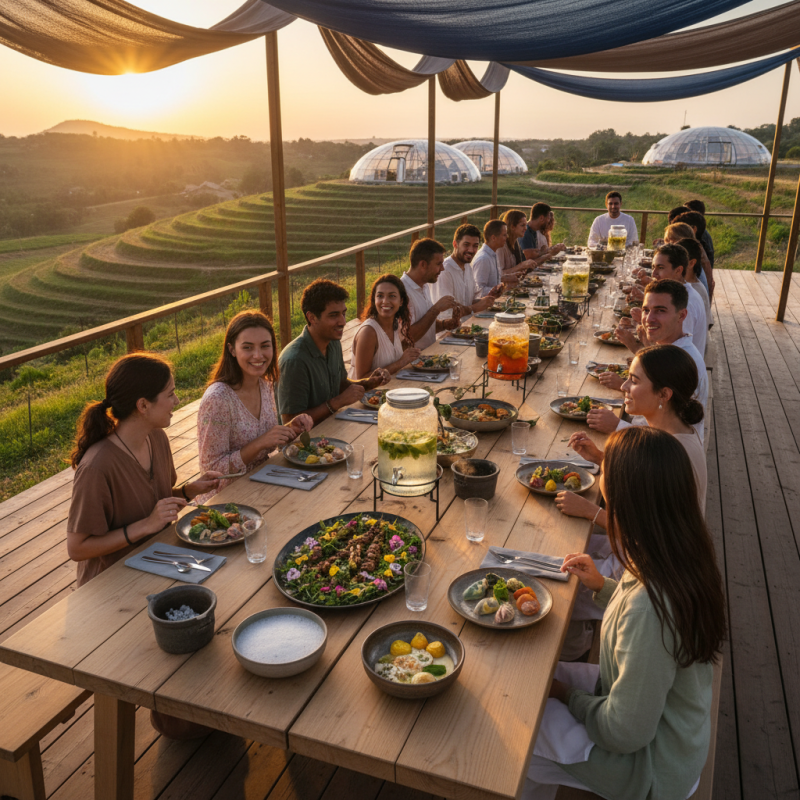
Understanding Anbu Food: A Cultural Overview
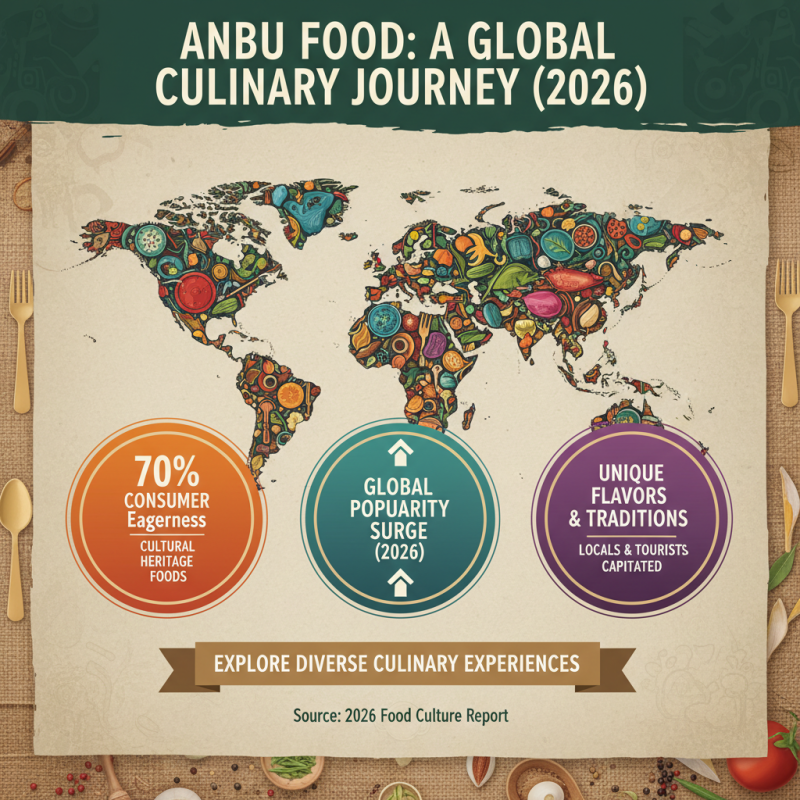
Anbu food represents a rich tapestry of cultural practices that vary across regions. In 2026, its popularity has surged, thanks to the growing interest in diverse culinary experiences. Reports show that nearly 70% of consumers are eager to explore foods associated with cultural heritage. Anbu food offers a unique blend of flavors and traditions that captivate both locals and tourists alike.
One notable aspect of Anbu food is its emphasis on fresh, local ingredients. Dishes often feature seasonal vegetables and herbs, reflecting the region's agricultural bounty. Such practices are not just about taste; they also emphasize sustainability. In recent surveys, over 50% of respondents noted they prefer foods with a local origin. Cake Food variations within Anbu cuisine highlight creativity and tradition, showcasing how simple ingredients can transform into delightful desserts.
However, enjoying Anbu food requires understanding its cultural context. Each dish tells a story, often connected to community rituals and family gatherings. Yet, there can be a disconnect between traditional practices and modern adaptations. Many younger chefs experiment with fusion, sometimes losing the essence of the original recipes. It's essential to appreciate the heritage while exploring new flavors.
The Evolution of Anbu Cuisine by 2026
The evolution of Anbu cuisine by 2026 has introduced innovative flavors and cooking techniques. A recent industry report indicates that the global market for specialty foods is projected to reach $500 billion by 2026. This growth reflects a shift towards seeking unique dining experiences. Anbu food embraces this trend, incorporating ingredients like ancient grains and fermented vegetables. The fusion of traditional flavors with modern presentation has captured the interest of food enthusiasts.
In this landscape, "Chips Food" has also seen a renaissance. Artisan chip producers are now experimenting with unusual flavors, catering to diverse palates. Reports show that over 30% of consumers are willing to try exotic chip flavors. Yet, some chefs lament the loss of authenticity in this quest for novelty. The pressure to keep up with trends often leads to diluted recipes. Anbu cuisine must strike a balance between innovation and tradition. The challenge lies in preserving cultural heritage while appealing to new generations.
Furthermore, sustainability has become a key focus. Many Anbu cooks are sourcing local ingredients, reducing their carbon footprint. A study found that 65% of diners prioritize sustainability in their food choices. However, this transition isn’t without challenges. The supply chain can be unpredictable. Some chefs find themselves compromising on quality to meet demand. This evolution in Anbu cuisine presents both opportunities and hurdles. The journey continues to unfold as chefs adapt to changing consumer preferences.
Essential Ingredients in Modern Anbu Dishes
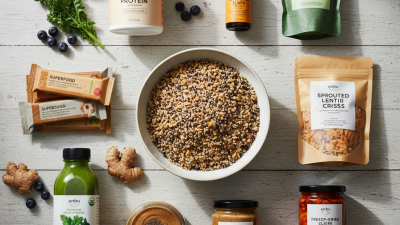
Anbu food is gaining popularity, especially in 2026. The unique flavors are attributed to essential ingredients that define modern Anbu dishes. Key ingredients include fresh vegetables, legumes, and spices. Fresh greens bring vibrant colors and nutrients. Legumes add protein and heartiness. Spices provide depth and warmth to each dish.
Vegetables like bok choy and kale are vital. They enhance taste and nutritional value. Cook them lightly for a crunchy texture. Legumes, such as chickpeas and lentils, matter too. They can transform a simple dish into a filling meal. Don't forget spices! A blend of cumin, turmeric, and coriander creates a comforting aroma.
Experimentation is important. Try varying the proportions of spices. Maybe a pinch too much salt could alter the flavor. It's about finding the right balance. Avoid overpowering ingredients in your quest for perfection. Each attempt teaches something new. Embrace the process, even if not every dish turns out well.
Top Anbu Food Trends to Watch in 2026
In 2026, the Anbu food scene is set to evolve in exciting ways. One of the standout trends is the rise of Candy Food. This sweet phenomenon is not just for children anymore. Adults are keen to indulge too. Creative chefs are blending traditional flavors with candy, creating unique dishes. Imagine beef infused with a hint of caramel! It’s bold, yet surprisingly tasty.
Another trend to keep an eye on is sustainable Anbu food. As awareness grows, more dishes will focus on local ingredients. This means fresher meals and a smaller carbon footprint. Farmers' markets may become popular spots for finding ingredients. People often overlook the importance of sourcing. It’s an area that deserves more reflection.
Fermentation continues to gain traction in Anbu cuisine. This ancient technique adds depth and complexity to flavors. Fermented Candy Food might sound unusual, but it’s worth exploring. The tangy notes mixed with sweetness can create an unforgettable experience. Not everything will please everyone, though. Some may find the combinations off-putting. But isn’t that part of the adventure in food?
Best Anbu Restaurants and Food Festivals in 2026
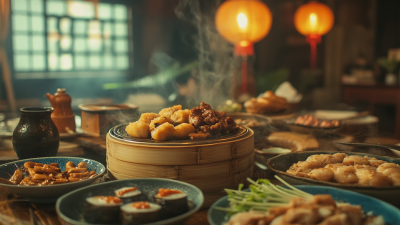
In 2026, the excitement for Anbu cuisine grows. Many restaurants offer unique twists on traditional dishes. Expect vibrant colors and bold flavors. Popular ingredients like fresh vegetables and spices are key. Street food stalls will display mouthwatering Anbu snacks, perfect for on-the-go indulgence.
Food festivals are a must-visit. They bring together various chefs and culinary enthusiasts. You can taste a variety of dishes at your fingertips. Sample innovative recipes that blend Anbu's essence with modern techniques. The atmosphere buzzes with energy and creativity. However, not every dish will meet your expectations. Some flavors might clash or miss the mark. It's important to embrace the journey, learn, and keep exploring.
Events often have long lines. Patience is needed, but the rewards are worth it. Engaging with vendors adds a personal touch. Their stories enhance your understanding of the cuisine. Take time to savor each bite and enjoy the shared experience with friends. It’s about the food, the culture, and the memories you create.
Tips for Cooking Anbu Dishes at Home
Cooking Anbu dishes at home in 2026 can be an exciting adventure. The joy of preparing Anbu food lies in its rich flavors and diverse ingredients. Anbu cuisine often incorporates fresh vegetables, various spices, and Halal Food options. This is appealing as more consumers seek Halal ingredients, with the market growing at a rate of over 10% annually.
To start cooking Anbu dishes, focus on quality ingredients. Use seasonal produce and high-quality spices. For instance, fresh coriander, cumin, and turmeric can enhance the authenticity of flavors. A report from the Culinary Institute notes that fresh ingredients can elevate meals' nutritional value. However, even with quality ingredients, recipe execution may falter. Practice and adjustment are key. Sometimes, the right balance of spice is elusive.
Simple techniques can make a big difference. Try marinating proteins for deeper flavors. A recent study highlighted that marination can increase tenderness and taste. However, don't be discouraged if a dish doesn't turn out as expected. Cooking is a learning process. Experimenting with different combinations will help refine your skills. Don’t hesitate to learn from mistakes; they often lead to the most memorable flavors.
Exploring Global Influence on Anbu Food Culture
Anbu food is evolving, influenced by global trends. In 2026, flavors from different cultures merge into this cuisine. Street food from Asia becomes popular, with spices creating exciting dishes. Traditional Anbu elements get refreshing twists, appealing to young food lovers.
Culinary fusion brings both joy and challenges. Ingredients once exclusive to Anbu cuisine are now found in international dishes. This blend offers variety, but can dilute authentic flavors. Some may feel nostalgic about the original taste and craftsmanship. It’s important to embrace change while honoring tradition.
Cooking styles shift too. Modern techniques, like sous-vide, find their way into Anbu kitchens. Diners want a unique experience, but does this compromise authenticity? We must question how much innovation is too much. Balancing respect for history with modern creativity is vital for Anbu food's future.
How to Enjoy Anbu Food in 2026? - Exploring Global Influence on Anbu Food Culture
| Aspect |
Description |
Cultural Influence |
Example Dishes |
| Ingredients |
Locally sourced vegetables, spices, and grains. |
Emphasis on organic and sustainable farming practices. |
Veggie Stir-Fry, Herbal Rice. |
| Cooking Techniques |
Fusion of traditional and modern cooking methods. |
Utilizing global culinary techniques. |
Grilled Anbu Wraps, Sous-vide Stews. |
| Presentation |
Artful plating inspired by various culinary traditions. |
Influences from Asian, Mediterranean, and Latin cuisines. |
Anbu Sushi Rolls, Colorful Grain Bowls. |
| Flavors |
A diverse range of flavors that reflect global spices. |
Blending spices from different cultures. |
Spicy Anbu Chilli, Zesty Citrus Salad. |
| Dining Experience |
Community-oriented, often featuring shared dishes. |
Celebration of togetherness and cultural exchange. |
Anbu Banquet, Family-Style Tasting Menus. |
FAQS
: Regular exercise improves physical health. It boosts mood and energy levels. It can also enhance sleep quality.
Set clear goals. Track your progress. Find a workout buddy. Sometimes, routines can become dull.
Assess your current fitness level. Choose activities you enjoy. Be aware of any past injuries that may affect you.
Aim for at least 150 minutes of moderate exercise weekly. Break it into manageable sessions if necessary.
Yes, warming up prepares your muscles. It can prevent injuries. Skipping it may lead to soreness later.
Take stairs instead of elevators. Walk or bike for short trips. Small changes can make a significant difference.
Choose comfortable clothing and proper footwear. Your choice can affect performance. Poor choices might lead to discomfort.
Use fitness apps or journals. Document workouts, times, and feelings. Consistency in tracking is more important than perfection.
Consider fruits, yogurt, or nuts. Keep it light but nutritious. Overindulging after workouts can negate benefits.
Change your routine or intensity. Sometimes, reflection on your habits is necessary. Progress isn’t linear for everyone.
Conclusion
Anbu Food represents a rich cultural tradition that has evolved significantly by 2026. This cuisine highlights essential ingredients that blend ancient practices with modern influences, showcasing the creativity and adaptability of chefs. Key trends in Anbu Food include a focus on sustainability and fusion with global culinary styles, making it a vibrant part of the contemporary food scene.
As Anbu Food continues to gain popularity, various restaurants and food festivals dedicated to this cuisine have emerged, offering enthusiasts a chance to experience its diverse flavors. For those interested in bringing Anbu dishes into their homes, incorporating essential ingredients and techniques is vital. Overall, enjoying Anbu Food in 2026 involves exploring its cultural roots while embracing the innovative changes that shape its future.